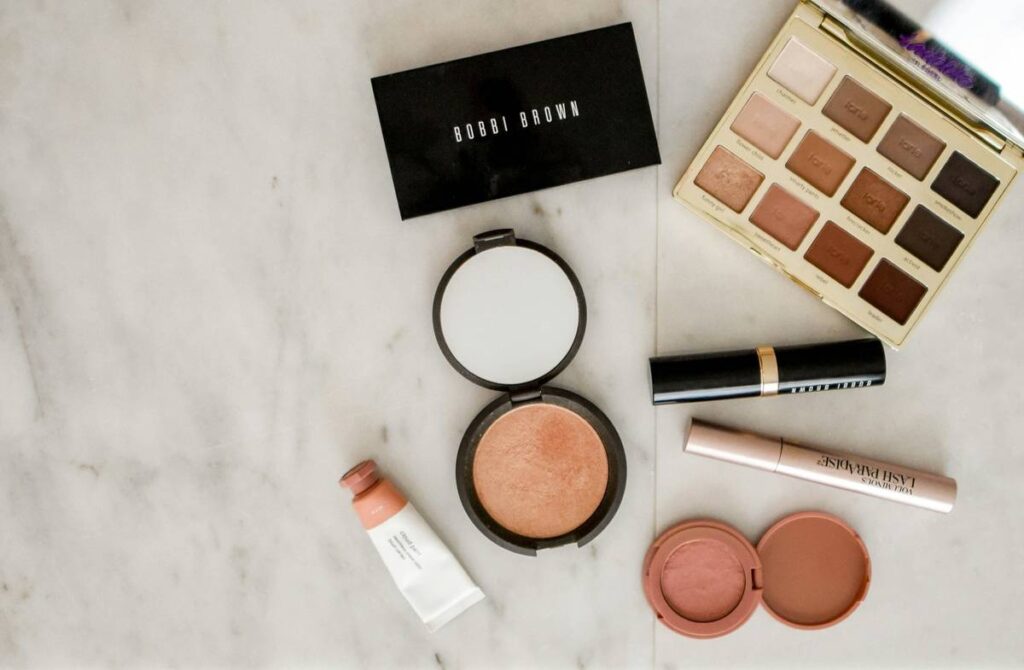
Ever stared at your makeup drawer and wondered why your “clean” routine still leaves your skin dull, your conscience itchy, and half the products tasting like regret? You’re not alone. I once layered three so-called natural foundations before a wedding and ended up looking like a dusty peach with a streak of panic across my jawline. That mess pushed me into a fully Eco-Conscious approach to natural makeup—and it changed everything about how I shop, apply, and talk about beauty.
This guide unpacks why an Eco-Conscious mindset matters in Beauty & Skincare, walks you through exact product and technique steps, flags the traps that waste money, and ends with FAQs you can use the next time you’re aisle-frozen. You’ll leave with a routine that looks alive on camera and kinder on the planet—no greenwashing required.
Table of Contents
- Key Takeaways
- Why Eco-Conscious Matters in Natural Makeup
- Step-by-Step Guide to an Eco-Conscious Natural Makeup Routine
- Tips and Best Practices for Lasting Results
- Real Examples and Case Studies
- FAQs on Eco-Conscious Natural Makeup
- Conclusion
Key Takeaways
- An Eco-Conscious makeup routine starts with ingredient literacy, not just “natural” labels.
- Technique matters as much as formula—less product, better tools, cleaner finish.
- Packaging recyclability and brand transparency separate real change from marketing noise.
- Small swaps (refillables, multi-use sticks, waterless formulas) cut waste fast.
- Tracking how your skin reacts over 30 days beats any influencer before-and-after.
Why Eco-Conscious Matters in Natural Makeup
The problem isn’t that you love makeup. It’s that conventional formulas often hide silicones, microplastics, and fragrance blends that wash into waterways and sit on sensitive skin like a film. When you shift toward Eco-Conscious choices inside the Organic Cosmetics space, you’re solving three headaches at once: irritation, environmental load, and the quiet guilt of tossing half-empty compacts every season.
I learned this the hard way. After my wedding foundation disaster, I spent two weeks patch-testing mineral tints on my inner arm like a desperate scientist. The winner wasn’t the priciest jar—it was a simple zinc-based formula in a glass pot with a compostable seal. My skin stopped flaking by day four. That single switch turned me into someone who reads INCI lists before color stories.

According to the Environmental Working Group’s Skin Deep database, thousands of personal-care items still score poorly for ingredient hazard and data gaps. Cross-checking products there is a practical first filter. You can explore their ratings at EWG Skin Deep. Pair that with the U.S. Food and Drug Administration’s plain-language cosmetics overview at FDA Cosmetics so you understand what “organic” and “natural” can—and cannot—legally mean on a label.
Short rant while we’re here: I am exhausted by brands that stamp a single leaf icon on a plastic clamshell and call it a day. If your “clean” blush arrives shrink-wrapped like electronics and smells like a candle factory, it’s not Eco-Conscious—it’s cosplay. Hold brands to material choices, refill programs, and full ingredient disclosure. Your face and the landfill both notice the difference.
If you want the longer story of why this site cares so much about slow beauty, peek at our About Us page. We built the resource library after years of trial, error, and one infamous green mascara that flaked onto a white shirt mid-meeting.
Step-by-Step Guide to an Eco-Conscious Natural Makeup Routine
Step 1: Audit What You Already Own
Spread every product on a towel. Keep anything with short, readable ingredient lists and packaging you can recycle or refill. Retire anything that pills, smells off, or requires three primers to behave. This 20-minute edit stops impulse repurchase and clarifies what “enough” looks like for your face.
Step 2: Choose a Minimal Base
Pick one tinted moisturizer or light mineral foundation with non-nano zinc or iron oxides. Apply with a damp organic cotton sponge using pressing motions, not swipes. You’re aiming for even tone, not full coverage armor. An Eco-Conscious base should disappear into skin, not sit on top of it.
Step 3: Add Dimension With Creams, Not Powders
Cream blush, bronze, and highlight melt into warm skin and need less product. Dot, then tap with fingers. Fingers are free, washable, and oddly precise once you slow down. Powder clouds in the air and often contain talc or plastic microbeads you’ll want to avoid in a tighter Eco-Conscious setup.
Step 4: Define Eyes and Brows Gently
A single multi-use stick in a soft brown can line lids, fill brows, and smudge into a quick shadow. Mist a spoolie with rose hydosol, comb through brows, and you’re done. Skip the five-pan palette until you actually finish a simpler option.
Step 5: Seal With Care
If you need hold, choose a plant-wax balm or alcohol-free setting spray in glass. Spray around the face—not directly at the eyes—and press with a clean cloth. Less aerosol means less airborne waste and calmer skin at 4 p.m.
Step 6: Clean Tools on a Schedule
Wash brushes weekly with castile soap; rest them flat on a towel. Dirty tools muzzle even the best Eco-Conscious formulas and can kick off breakouts that send you back to harsh spot treatments.
Step 7: Track and Adjust for 30 Days
Photograph your bare face and finished look once a week in the same light. Note redness, shine, and how products wear after meals. Data from your own face beats any viral routine. Adjust percentages of oils or powders based on what you observe, not what a caption promises.
Terrible tip disclaimer: Do not microwave old lipstick to “revive” it in a new tin. You’ll warp preservatives, risk burns, and create a bacterial smoothie. Recycle the tube and move on. I’m still embarrassed I tried this in college.
Tips and Best Practices for Lasting Results
- Buy refillable first. Compacts with replaceable pans cut packaging volume dramatically.
- Favor multi-use sticks. Cheek-lip-eye products reduce total SKUs and decision fatigue.
- Read the last third of the ingredient list. That’s where fragrance mixes and film-formers hide.
- Store cool and dark. Heat turns natural oils rancid faster than synthetic ones.
- Travel with solids. Balms and sticks beat liquids for leaks and airport stress.
- Ask brands about take-back. If they don’t have a program, their Eco-Conscious claim is half-built.
- Patch-test jaw and neck. Face skin and neck skin disagree more often than influencers admit.
When a site or brand asks for your email to unlock a shade finder, skim how they handle data. Our own practices are spelled out in the Privacy Policy—always worth a glance before you hand over details anywhere.
Real Examples and Case Studies
Case Study A: Maya, a freelance photographer with combination skin, dropped from eleven face products to four Eco-Conscious staples (cleanser balm, tinted SPF, cream blush, brow-lash serum). After six weeks she reported fewer midday shine blot papers and a shorter getting-ready window—down from 25 minutes to 12. Her client-facing skin looked more consistent on video calls because she stopped fighting oxidation from heavy filters in old formulas.
Case Study B: A small bridal party of four switched to shared multi-use sticks in glass tubes for a beach ceremony. Total makeup packaging waste for the weekend fit in one pocket-size pouch instead of a shopping bag of singles. Photos showed soft, skin-like finish that held through humidity without powder flashback—the exact opposite of my old peach-panic wedding look.
These aren’t miracles. They’re the predictable result of fewer incompatible layers and formulas chosen for performance plus lower footprint. When the routine is this tight, Eco-Conscious stops feeling like a sacrifice and starts feeling like relief.
FAQs on Eco-Conscious Natural Makeup
What does Eco-Conscious actually mean for makeup?
It means you weigh ingredient safety, packaging impact, brand labor practices, and product longevity together—not just a “natural” buzzword on the front label.
Can Eco-Conscious makeup still offer full coverage?
Yes, but you’ll build it with thin layers of high-pigment creams or mineral powders rather than one thick synthetic base. Coverage becomes a choice you dial, not a mask you hide under.
How do I spot greenwashing quickly?
Look for missing ingredient lists, vague “clean” claims without third-party context, and plastic-heavy packs with no refill path. Real Eco-Conscious brands get specific.
Are expensive organic cosmetics always better?
No. Price can reflect marketing and jar design. Compare INCI lists and texture performance. A modest mineral tint can outperform a luxury bottle that lists perfume near the top.
What’s the fastest starter swap?
Replace liquid highlighter and plastic packaging with one cream stick that works on eyes, cheeks, and lips. Instant declutter, lower waste, easier mornings.
Does natural makeup expire faster?
Often yes, because fewer robust synthetic preservatives are used. Buy smaller sizes, date your products, and treat oils like pantry items—cool, closed, and not infinite.
Conclusion
You don’t need a bathroom redo to start. You need a clearer filter: fewer, better, kinder. An Eco-Conscious natural makeup routine protects your skin barrier, trims decision fatigue, and stops feeding the cycle of impulse pots you’ll forget by spring. Begin with the audit, keep the seven secrets close, and let your own 30-day notes lead the next purchase.
Ready for a personalized product edit or a second pair of eyes on your current kit? Contact Us and tell us where your routine feels stuck—we’ll help you cut the noise without cutting the joy.
Wear less armor. Choose more sense. Your face will remember.