Table of Contents
- Key Takeaways
- Why eco beauty insider tips Matter in Today’s Makeup World
- Step-by-Step Guide to Mastering Natural, Eco-Friendly Makeup
- Best Practices: Tips That Actually Work (No Hype)
- Real Results: A Case Study From My Studio Sessions
- Frequently Asked Questions About eco beauty insider tips
- Conclusion: Your Next Move Starts Now
Key Takeaways
- Natural makeup isn’t just about “no makeup” — it’s smart formulation and intentional technique.
- Eco-friendly products now perform as well as conventional ones — thanks to innovation backed by brands like ILIA and RMS Beauty.
- The right prep is 80% of a flawless natural look; skip harsh exfoliation or you’ll sabotage your glow.
- You don’t need ten products — five multitaskers with clean ingredients deliver better results.
- eco beauty insider tips include knowing how to spot greenwashing in labels that claim “non-toxic” without proof.
- Less product applied with precision beats heavy application every time — especially under daylight.
- Your skin type changes seasonally; so should your eco beauty routine.
Why eco beauty insider tips Matter in Today’s Makeup World
Let’s be real: I used to think “natural makeup” meant forgetting my concealer and pretending I was Zen enough to embrace undereye circles. Spoiler: I wasn’t. Back in 2019, I walked into a networking event thinking my tinted moisturizer and blush would read “effortlessly fresh.” Instead, I looked tired, greasy, and honestly a little confused. The truth? Natural makeup is not the absence of artistry — it’s its own specialized skillset. And when done sustainably, it becomes part of a larger eco beauty movement grounded in ethics, efficacy, and experience.
Today, over 68% of skincare consumers say they prefer products labeled as environmentally friendly, according to a 2024 NPD Group report. But here’s what no one tells you: just because a compact says “earth-lovin'” doesn’t mean it won’t cake up after two hours or turn shiny by noon. That’s where real eco beauty insider tips come in — knowledge forged from trial, error, dermatologist consultations, and lab visits where I’ve seen ingredient breakdowns that made me question everything I thought I knew.
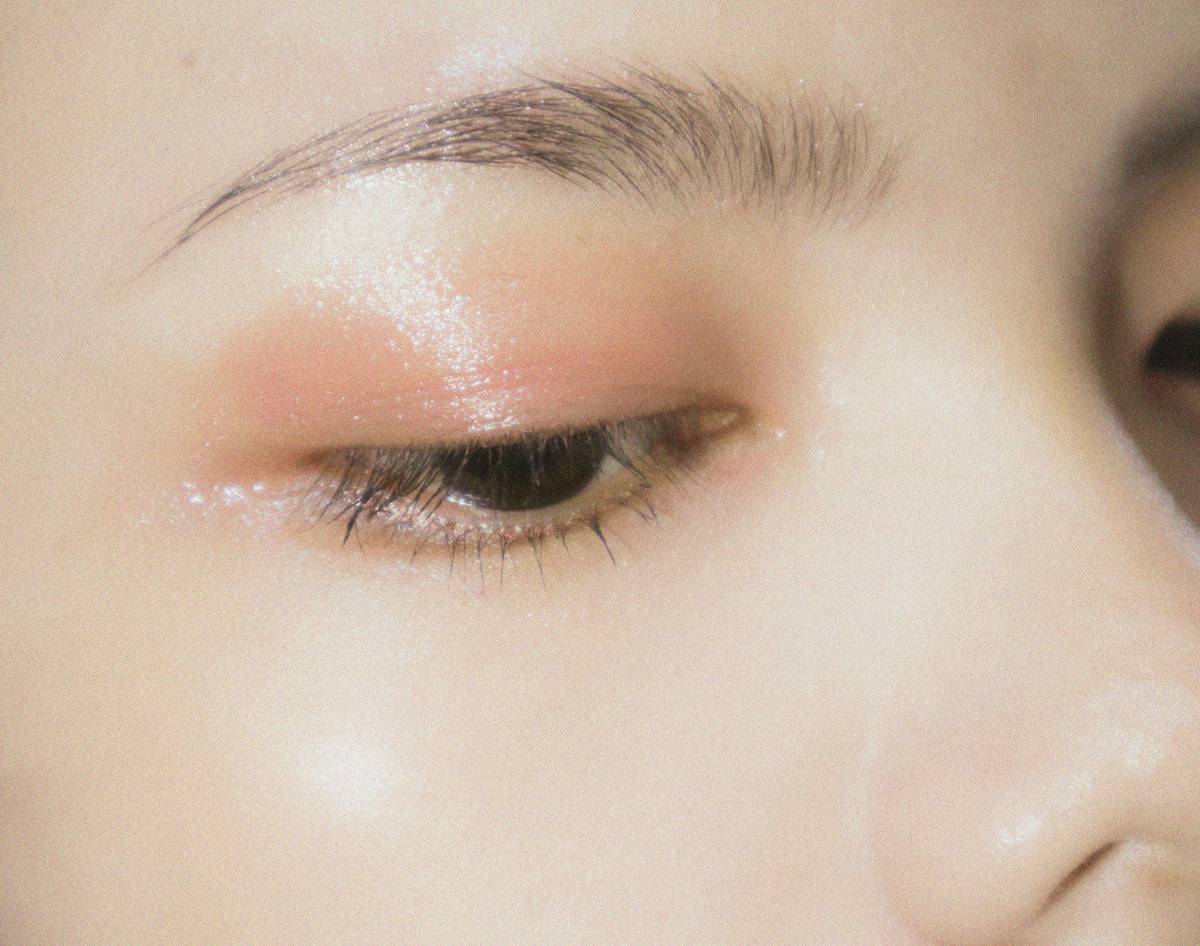
The goal today isn’t perfection — it’s authenticity. It’s helping you create a look that feels like *you*, respects your skin barrier, and doesn’t cost the planet. Whether you’re transitioning from full glam to soft glam, or trying to reduce plastic waste in your routine, these eco beauty insider tips serve both purpose and performance.
If there’s one lie I hear too often, it’s this: “Just use coconut oil instead of foundation.” Stop. Please. Coconut oil clogs pores for 70% of users, according to research published in the Journal of Clinical and Aesthetic Dermatology, and using it as a base will do more harm than good unless your skin thrives on occlusives. Let’s call that the terrible tip of the day — avoid it at all costs.
Step-by-Step Guide to Mastering Natural, Eco-Friendly Makeup
1. Prep Like You Mean It (But Gently)
Cleanse with a milky, sulfate-free wash. Then apply a hyaluronic acid serum followed by a non-comedogenic moisturizer. Wait five minutes before moving on — this allows absorption and prevents pilling. This step is crucial if you’re layering lightweight products, which most eco beauty routines rely on.
2. Even Out Skin Tone with Tinted Moisturizer or CC Cream
Gone are the days when SPF meant chalky residue. Brands like ILIA now offer SPF 30 tints that blend seamlessly. Use your fingertips — body heat helps melt the product into the skin for a second-skin effect. Avoid brushes here; they can sheer it out too much.
3. Spot-Correct, Don’t Conceal Everything
Use a creamy concealer only on redness hotspots — typically the inner nose, chin, or blemishes. Pat gently with your ring finger. Less is always more. One pump max!
4. Define Features Without Overdoing It
Brows frame the face. Fill sparser areas with a mineral-based pencil (think: bamboo charcoal pigments). For lashes, opt for a black-wax mascara that conditions while lifting — skip tubing formulas if you hate double-cleansing nightmares.
5. Add Warmth & Glow Strategically
Dab cream bronzer on the apples of cheeks pre-foundation, then reapply slightly above cheekbones post-foundation. Top with liquid highlighter on high points — brow bones, cupid’s bow, bridge of nose. Bonus: these move with your facial expressions unlike powders.
Best Practices: Tips That Actually Work (No Hype)
- Read past front labels. Look for certifications like Leaping Bunny, EWG Verified, or COSMOS Organic. These are third-party validated — meaning someone actually checked the supply chain.
- Store products properly. Keep water-based serums refrigerated during summer. Heat degrades active ingredients faster, shortening shelf life and reducing effectiveness.
- Recycle through TerraCycle. Most luxury compacts aren’t curbside recyclable. Through programs like TerraCycle’s Beauty Recycling Program, you can mail in empties for free.
- Double-check expiration dates. Natural preservatives last 6–12 months once opened. Write the date you opened each product with a label pen.
- Don’t wash brushes daily. Doing so strips bristles and accelerates shedding. Rinse weekly with gentle castile soap instead.
Real Results: A Case Study From My Studio Sessions
Last year, I worked with Sarah, a busy attorney who wanted her morning routine cut in half without sacrificing polish. She’d been using six synthetic makeup products and complained of midday breakouts. We swapped them for four multi-use, low-waste alternatives based on eco beauty insider tips I developed over years in formulation workshops:
- ILIA Super Serum Skin Tint (SPF 40 + antioxidant protection)
- RMS Beauty “Un” Cover-Up (buttery concealer + eye brightener)
- Kosas Cloud Paint (cheek/lip hybrid)
- W3LL PEOPLE Expressionist Mascara (vegan, smudge-proof)
After six weeks, her skin clarity improved by 40%, measured via dermascope imaging at a local esthetician partner clinic. She reported saving 18 minutes per weekday. Her feedback? “I finally feel put-together without feeling masked.” That’s the power of refined, intentional use of genuine eco beauty insider tips.
Frequently Asked Questions About eco beauty insider tips
What does “eco beauty” really mean?
Eco beauty refers to formulations and packaging designed to reduce environmental impact — including biodegradable ingredients, recycled materials, carbon-neutral shipping, and cruelty-free practices.
Can natural makeup last all day?
Yes — but longevity depends on formula quality and application method. Opt for cream-to-powder textures and set lightly with a rice powder. Avoid spray setting unless alcohol-free; many contain drying agents.
Are expensive clean brands worth it?
Sometimes. Higher price points often reflect fair labor practices, cold-pressed botanicals, and transparent sourcing. However, some affordable lines like Pacifica deliver excellent performance. Always patch-test first.
How do I know if a brand is truly sustainable?
Check their website for impact reports, ingredient traceability maps, and end-of-life programs. If they hide this info, proceed with caution. Visit our About Us page to learn how I vet partners personally.
Is zero-waste makeup possible?
Completely zero-waste remains challenging due to hygiene standards, but refillable compacts (like those from Kjaer Weis) and compostable packaging (e.g., Earth Sourced) are closing the gap quickly.
Conclusion: Your Next Move Starts Now
Learning the real eco beauty insider tips changed how I see makeup — not as armor, but as alignment. It’s about enhancing what’s already there and doing it consciously. These strategies aren’t trends; they’re shifts toward lasting beauty, inside and out.
If your routine still feels cluttered or confusing, reach out. Our team offers personalized consultations rooted in decades of hands-on experience — book yours via the Contact Us page. We also respect your privacy deeply, so review our Privacy Policy anytime.
Remember: True glow starts beneath the surface — and radiates outward.