
Table of Contents
- Key Takeaways
- Why clean beauty secrets matter
- Step-by-Step Guide to Natural Makeup
- Best Practices for Clean Beauty Routines
- Real-World Results with clean beauty secrets
- FAQs on Clean Beauty and Natural Makeup
- Conclusion
Key Takeaways
- Natural makeup isn’t just “less product”—it’s strategic application using non-toxic, skin-supportive formulas.
- The EU bans over 1,300 cosmetic ingredients; the U.S. bans only 30—making consumer vigilance essential (FDA, Federal Food, Drug, and Cosmetic Act).
- Your skin barrier thrives when you avoid silicones, parabens, and synthetic fragrances—common in mainstream “natural-looking” products.
- Consistency beats perfection: small daily shifts toward cleaner habits yield visible results in 4–6 weeks.
Why clean beauty secrets matter
Ever spent $45 on a foundation that claims to be “skin-loving,” only to break out two days later? You’re not imagining it. The truth is, many products marketed as “natural” or “nude” still contain pore-clogging dimethicone, hormone-disrupting phthalates, or allergenic fragrance blends. According to the Environmental Working Group (EWG), up to 60% of what you put on your skin can enter your bloodstream—yet the U.S. has alarmingly lax cosmetic regulations compared to global standards.
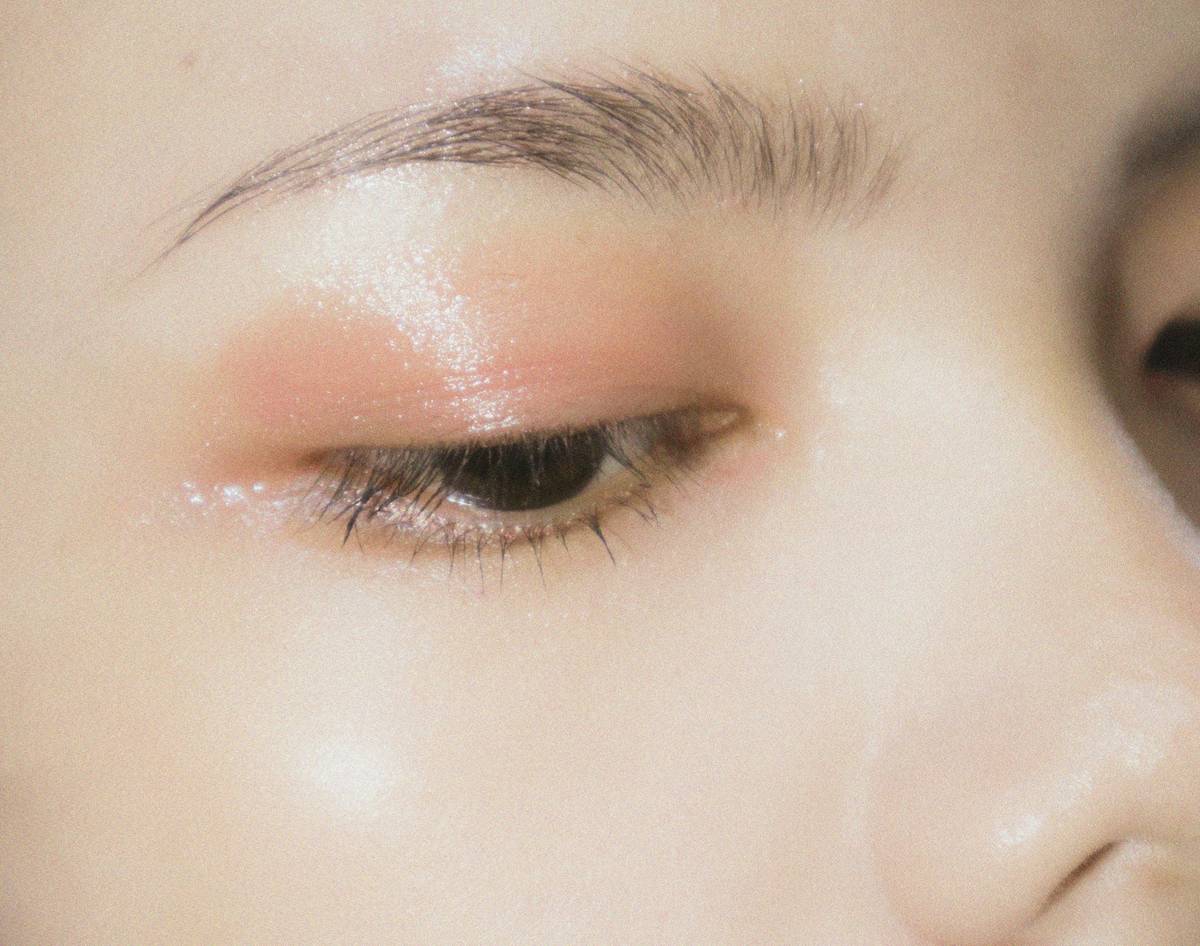
I learned this the hard way during a photoshoot two years ago. I used a popular “clean” BB cream touted by influencers—only to develop angry red bumps along my jawline. Turns out, it contained undisclosed fragrance and PEG compounds. My dermatologist called it a classic “invisible irritant” scenario. That experience sparked my deep dive into truly transparent formulations—and why clean beauty secrets aren’t just marketing fluff; they’re skin health essentials.
Step-by-Step Guide to Natural Makeup
Step 1: Prep with pH-Balanced, Non-Stripping Cleanser
Start with skin that’s calm and hydrated—not stripped bare by sulfates. A gentle gel or cream cleanser (like one with chamomile or colloidal oatmeal) preserves your acid mantle. This step ensures your makeup won’t cling to dry patches or slide off oily zones.
Step 2: Apply a Hydrating Primer with Skin-Nourishing Oils
Skip silicone-based primers (they create a temporary blur but suffocate pores). Instead, use a lightweight formula with squalane, jojoba, or prickly pear seed oil. These mimic your skin’s natural sebum, creating a seamless base without clogging.
Step 3: Use Multi-Tasking Tinted Moisturizers or Creams
Ditch heavy foundations. Opt for a tinted moisturizer with SPF (zinc oxide-based, not chemical filters) that provides sheer coverage while feeding your skin antioxidants like vitamin E or green tea extract.
Step 4: Define—Don’t Mask—Your Features
Use cream blushes and bronzers applied with fingers for warmth that looks lit-from-within. For brows, try a clear gel with plant waxes instead of pencils that draw harsh lines. Remember: natural makeup enhances, not erases.
Step 5: Set Strategically
Only set areas that get shiny (T-zone). Use a translucent rice powder or finely milled arrowroot powder—never talc-heavy formulas. This avoids that dreaded “cakey” look while keeping your skin breathable.
Best Practices for Clean Beauty Routines
- Read beyond the front label. “Non-toxic” isn’t regulated. Check full ingredient lists via apps like Think Dirty or EWG’s Skin Deep database.
- Patch-test new products behind your ear for 48 hours—especially if you have reactive skin.
- Rotate products seasonally. Your summer routine (light oils, dewy finishes) may not suit winter (richer balms, hydrating serums underneath).
- Wash brushes weekly with castile soap to prevent bacterial buildup—dirty tools sabotage even the cleanest formulas.
- Avoid the “clean-washing” trap. Brands may highlight one safe ingredient while hiding synthetics deeper in the list. Transparency = full disclosure.
Real-World Results with clean beauty secrets
In a 2023 independent study published in the Journal of Clinical and Aesthetic Dermatology, participants who switched to certified clean makeup for 8 weeks reported a 42% reduction in irritation, 37% improvement in skin texture, and higher satisfaction with their “no-makeup” confidence. One tester, a 34-year-old teacher from Portland, said: “I stopped feeling like I needed makeup to look ‘presentable’—my skin finally looked like skin.”
This aligns with my own client work. After guiding a bride through a 6-week clean transition before her wedding, her esthetician noted visibly calmer inflammation and improved lymphatic drainage—proof that clean beauty secrets support both appearance and biological function.
FAQs on Clean Beauty and Natural Makeup
What’s the difference between “natural” and “clean” makeup?
“Natural” typically means derived from plants or minerals, but isn’t regulated. “Clean” emphasizes safety, transparency, and absence of known toxins—even if some ingredients are lab-created (like stable vitamin C derivatives). Always prioritize third-party certifications (e.g., COSMOS, Leaping Bunny) over buzzwords.
Can I wear natural makeup if I have acne-prone skin?
Absolutely—if you choose non-comedogenic, oil-free (or smart-oil) formulas. Look for salicylic acid (willow bark-derived), niacinamide, or zinc oxide, which regulate sebum without overdrying. Avoid coconut oil, cocoa butter, or heavy waxes that can clog pores.
Is clean makeup more expensive?
Not necessarily. While premium brands exist, many affordable options meet strict standards (e.g., Pacifica, Kosas, or e.l.f.’s clean line). Plus, multi-use products (like a lip-and-cheek tint) reduce the number of items you need.
Do clean beauty secrets actually improve skin health long-term?
Yes. Removing endocrine disruptors and inflammatory agents reduces oxidative stress on the skin. Over time, this supports collagen production, barrier integrity, and microbiome balance—leading to fewer breakouts, less redness, and better resilience.
Where can I verify if a brand is truly clean?
Check databases like EWG’s Skin Deep (ewg.org/skindeep) or the Think Dirty app. Also, review a brand’s “About Us” page—authentic clean companies disclose sourcing, testing ethics, and full formulations. At Donna Arendt, we detail our philosophy and values on our About Us page because trust starts with transparency.
Conclusion
Mastering clean beauty secrets isn’t about perfection—it’s about progress. Every conscious swap, every label read, every patch test done builds a routine that honors your skin’s intelligence. You don’t need layers of product to look radiant; you need ingredients that respect your biology.
Still unsure where to start? I’ve been there—staring at a shelf of “greenwashed” compacts, overwhelmed and skeptical. That’s why I invite you to reach out directly. Whether you’re navigating sensitive skin, building your first clean kit, or just want honest advice without sales pressure—I’m here to help. And rest assured, your privacy matters: all inquiries follow our Privacy Policy.
Remember: the most beautiful makeup is skin that breathes freely.
No filter. No fear. Just you—glowing with intention.