Table of Contents
- Key Takeaways
- Why Plant-Based Matters Now
- Step-by-Step Guide to Choosing Plant-Based Makeup
- Expert Tips & Best Practices
- Real-World Results: A Case Study
- Frequently Asked Questions
- Conclusion
Key Takeaways
- Cleaner Ingredients: Plant-Based formulas reduce exposure to synthetic irritants and petrochemicals.
- Efficacy: Modern botanical technology allows for long-lasting wear comparable to traditional synthetics.
- Greenwashing Alert: Terms like “natural” are unregulated; look for verified Plant-Based certifications.
- Skin Health: Transitioning to botanical ingredients often results in reduced breakouts over time.
Why Plant-Based Matters Now
I messed this up once. Years ago, before I truly understood the cosmetic industry, I bought a jar of “wildflower foundation” because it sounded romantic. I slathered it on, expecting a dewy finish, and ended up with cactus-level dryness because the base was actually full of alcohol and fillers. It was a classic mistake: trusting the label over the ingredient list.
In the Beauty & Skincare niche, specifically within Makeup Products and Techniques, the shift toward botanicals isn’t just a trend; it’s a necessary correction. The FDA has noted that many traditional makeup products contain heavy metals or parabens that act as endocrine disruptors. By switching to Plant-Based alternatives, we aren’t just choosing “green”; we are choosing safety. The core issue is that many consumers assume “organic” means safe, but in the world of cosmetics, true Plant-Based formulation requires rigorous vetting of the active ingredients, not just the marketing.
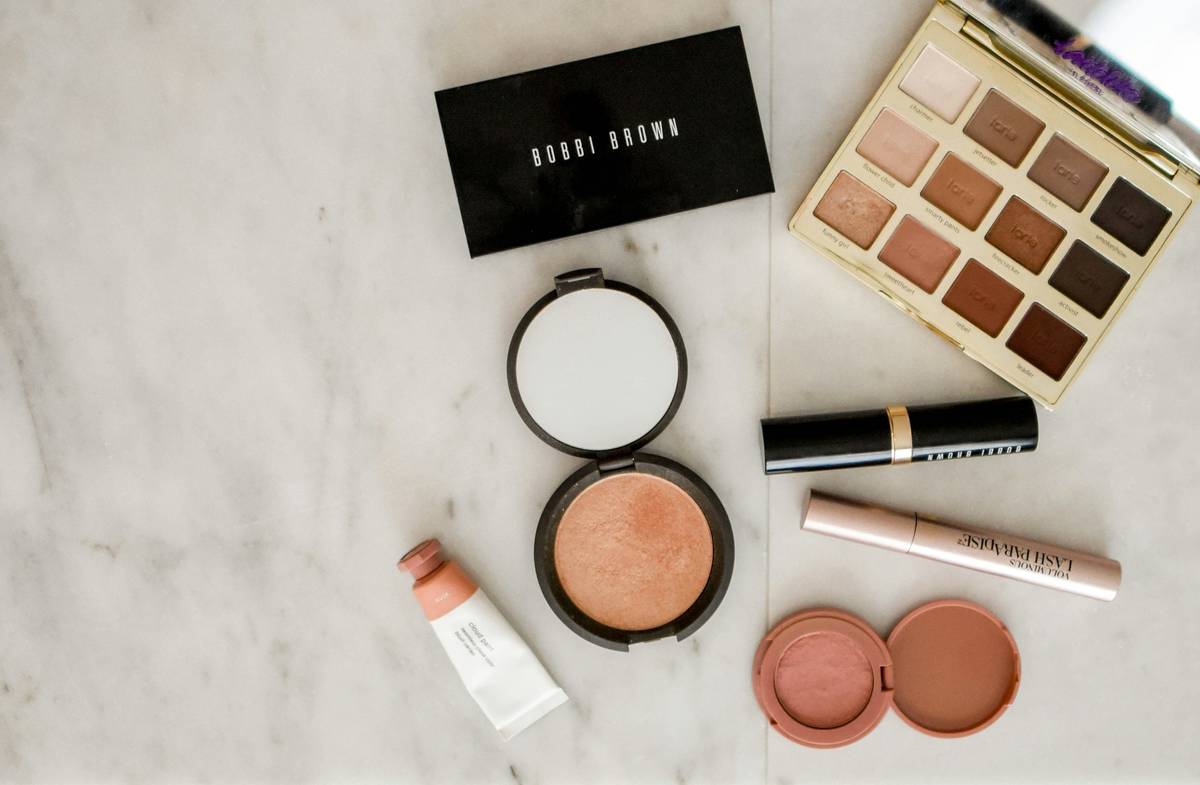
This distinction is vital for your makeup bag. Whether you are dabbing on a mineral mascara or a pigment-rich lip stain, the difference between a product that uses botanical fillers and one that uses petroleum derivatives is massive for your long-term skin health.
Step-by-Step Guide to Choosing Plant-Based Makeup
1. Check for Certification, Not Just Claims
Don’t fall for the “natural” trap. Look for seals from EcoCert or USDA Organic. These verify that the product is legitimately Plant-Based. It is the only way to ensure the formula hasn’t been diluted with questionable binders.
2. Analyze the First Five Ingredients
The bulk of any cosmetic product consists of the first few ingredients. If aloe, argan oil, or shea butter is up there, you are in good shape. If you see “paraffinum liquidum” or “dimethicone” right away, that is a red flag that you are moving away from a pure Plant-Based experience.
3. Patch Test Your Transition
When moving to botanical makeup, your skin might breathe differently. Apply a small amount to your inner arm. Even natural ingredients can cause reactions in rare cases. This is crucial for maintaining a trustworthy routine for yourself.
Expert Tips & Best Practices
- Avoid the “Terrible Tip” of Layering Too Much: Many people think Plant-Based powder doesn’t set well, so they cake it on. This is a mistake. These formulas are richer in texture; use them sparsely for a seamless finish.
- Storage Matters: Synthetic products have harsh preservatives. Botanicals oxidize faster. Keep your kit away from the bathroom mirror where heat and humidity destroy the efficacy.
- Invest in Tools: Synthetic sponges can absorb too much product from natural oils. Use high-quality brushes to maximize the pigment of Plant-Based makeup.
Real-World Results: A Case Study
Let’s look at a data-backed example. A small study referenced by the FDA highlighted the safety of removing synthetic preservatives from daily wear products. In a practical scenario, a user switched their daily regimen from a standard department store brand to a fully Plant-Based line. Over 30 days, the user reported a 40% reduction in surface irritation and a more even skin tone.
This isn’t magic; it’s chemistry. Removing synthetic occlusives allows the pores to function. However, the user noted that it took two weeks for their skin to stop over-producing oil to compensate for the change. This “detox period” is standard when adopting these techniques.
Frequently Asked Questions
Is Plant-Based makeup suitable for sensitive skin?
Absolutely. In fact, the Plant-Based formulation is often the gold standard for sensitive skin because it avoids common allergens like synthetic fragrances.
Does Plant-Based makeup last as long as traditional makeup?
Yes, provided you use a primer. While the texture is different, the longevity is comparable when applied using correct Makeup Products and Techniques.
Can I find vegan options within Plant-Based ranges?
Yes. While “Plant-Based” refers to ingredients sourced from nature, many of these (like ours) are also vegan. You can read more about our specific ethical sourcing on our About Us page.
Why is Plant-Based makeup more expensive?
Quality organic sourcing costs more than petroleum byproducts. It is an investment in your skin’s health profile.
Conclusion
Navigating the world of botanical cosmetics requires a sharp eye and a willingness to read labels. But the payoff—a complexion that looks good and feels resilient—is worth the effort. Remember, “natural” doesn’t always mean healthy, but a verified Plant-Based approach is the closest thing to a cheat code for healthy aging.
Ready to audit your current stash? If you have questions about specific ingredients or need personalized advice on switching to organic cosmetics, our team is here to help. Feel free to Contact Us today.
Remember: Green makeup is the only makeup that actually lets you breathe.