Have you ever bought a “natural” foundation, only to realize it broke you out worse than the chemical-heavy stuff you were trying to avoid? You are not alone. The beauty industry is flooded with greenwashing, making it nearly impossible to distinguish between genuinely clean formulations and clever marketing.
If you are trying to transition to cleaner beauty routines, you need the real story. This guide breaks down the organic makeup secrets that industry insiders use to navigate labels, ingredients, and application techniques without compromising on performance or skin health.
Table of Contents
- Key Takeaways
- The Truth Behind “Natural” Labels
- Step-by-Step Guide: Reading the Ingredient List
- Tips and Best Practices for Application
- Case Study: Why I Stopped Using “Clean” Mascaras
- Frequently Asked Questions
- Conclusion
Key Takeaways
- Natural does not always mean organic; strict certifications matter more than packaging claims.
- Synthetic preservatives in organic makeup are sometimes necessary to prevent mold growth.
- Mineral powders often offer better coverage for sensitive skin than liquid botanical blends.
- Understanding your specific skin sensitivity is more important than buying the “holy grail” product.
The Truth Behind “Natural” Labels
The term “natural” is largely unregulated in the cosmetics industry, leading to significant confusion for consumers. Unlike food, there is no strict governing body ensuring that a lipstick labeled “natural” actually contains botanical ingredients rather than petroleum-based fillers.
This lack of regulation is one of the biggest organic makeup secrets that brands hope you forget. They rely on your trust in green packaging and words like “botanical” to sell you products that may still contain irritants like synthetic fragrances or bismuth oxychloride, which can cause itching and breakouts.
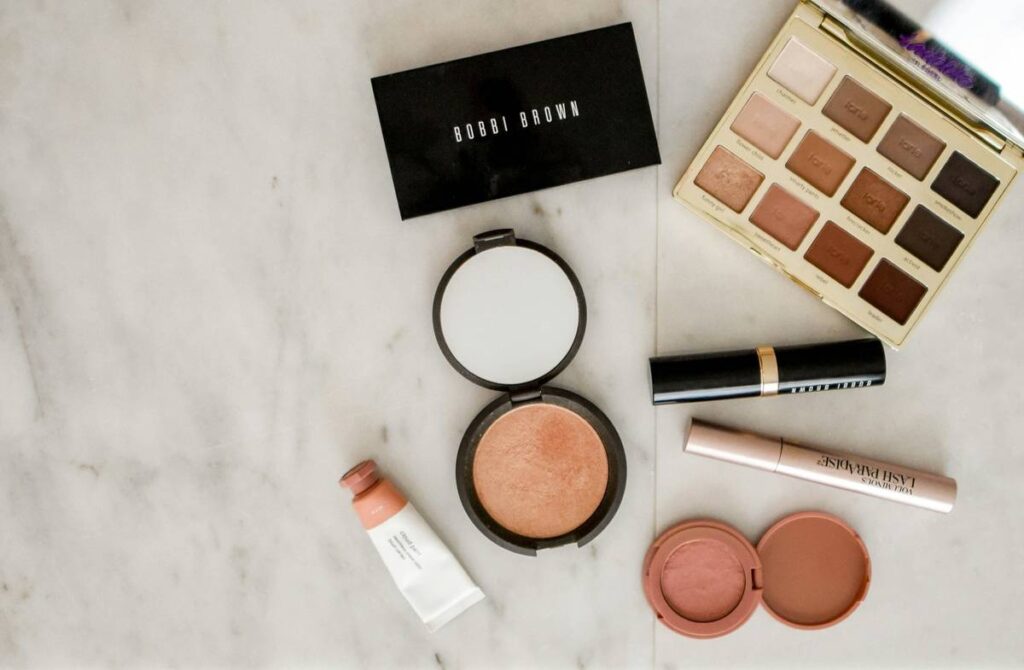
To truly understand what you are putting on your face, you must look beyond the front of the bottle. Here is a visual breakdown of how misleading packaging can look versus reality:

The image above illustrates the disparity between marketing claims and ingredient reality. To combat this, we must dig deeper into what certifications actually mean.
Step-by-Step Guide: Reading the Ingredient List
Decoding an ingredient list (INCI) can feel like learning a new language, but it is essential for finding genuine products. Here is how to apply these organic makeup secrets to your next shopping trip.
1. Ignore the Front, Read the Back
Marketing terms like “derived from coconuts” or “inspired by nature” mean nothing legally. Turn the product around. If the first five ingredients are water, glycerin, and silicones, it isn’t a botanical blend, regardless of the picture of a flower on the cap.
2. Check for Certifications
Look for third-party seals like USDA Organic or Ecocert. These bodies audit the supply chain. According to Wikipedia’s entry on Clean Beauty, these certifications provide a standardized definition that marketing jargon cannot, ensuring specific percentages of ingredients are organically farmed.
3. Understand “Fragrance”
In the US, “parfum” or “fragrance” can legally hide hundreds of synthetic chemicals. If you have sensitive skin, avoid this entirely. Real organic brands will state “scented with essential oils” if they use natural aromatics.
Tips and Best Practices for Application
Switching to organic cosmetics often requires a change in application technique. Natural formulas behave differently than their synthetic counterparts. Here are tips to ensure your makeup lasts all day.
- Prep Your Canvas: Organic makeup sits on the skin rather than filling the pores. Use a hydrating primer (preferably silicone-free) to create a smooth surface.
- Warm It Up: Natural waxes and butters melt at body temperature. Rub cream blushes or concealers between your fingers for five seconds before applying. This helps them blend seamlessly.
- Layer Thinly: Unlike heavy synthetics, organic pigments are often softer. Build up coverage with thin layers rather than one heavy swipe to prevent caking.
Mastering these techniques is a core component of organic makeup secrets that ensures you don’t end up looking greasy by noon.
Case Study: Why I Stopped Using “Clean” Mascaras
Let me share a personal “oops” moment. Last year, I decided to swap my trusted synthetic mascara for a “100% plant-based” one I found online. It promised length and volume without “toxins.”
Within two weeks, I had a stye. I realized later that because the formula lacked effective preservatives (a common issue in organic makeup), bacteria had begun to grow in the tube much faster than normal. I had to throw it away. This experience solidified my belief that we need to balance “clean” with safe.
Through my years of testing products and writing for Donna Arendt, I’ve learned that sometimes, a preservative like potassium sorbate is necessary to keep your eyes safe from infection. It’s about trade-offs, not just buzzwords.
A “Terrible Tip” Disclaimer
Here is a piece of advice I wish I could take back: “If it’s natural, you can leave it on overnight.” This is dangerous. Even organic makeup can clog pores if worn to sleep. Always double cleanse, regardless of what the mascara is made of.
Frequently Asked Questions
Are organic makeup secrets applicable to all skin types?
Yes, but the specific ingredients matter. Oily skin may prefer powders, while dry skin benefits from oil-based organic formulations. Identifying your skin type is the first step.
Is organic makeup more expensive?
Often, yes. Sourcing certified organic ingredients and sustainable packaging costs more than petroleum derivatives. However, the cost reflects the quality and ethical sourcing standards.
Does organic makeup last as long as traditional makeup?
It can, but you often need to set it differently. Using a natural setting powder or a hydrating mist can help lock in organic pigments for 8-10 hours of wear.
How do I find reliable organic makeup secrets on a budget?
Focus on multi-use sticks (lips and cheeks) to save money. You only need to buy one organic product instead of two. Also, check for samples before committing to a full-size purchase.
These organic makeup secrets help you save money by avoiding trial-and-error purchases that don’t work for your chemistry.
Conclusion
Navigating the world of clean beauty doesn’t have to be a guessing game. By understanding labels, checking for third-party certifications, and adjusting your application habits, you can find products that nourish your skin rather than harm it.
Remember, the goal is healthy skin first and makeup second. If you have more questions about specific ingredients or need advice on which products fit your specific skin concerns, feel free to reach out to our team here. We are here to help you decode the beauty world, one ingredient at a time.
Stay green, stay glowing, and never trust a flower on a bottle without reading the back.