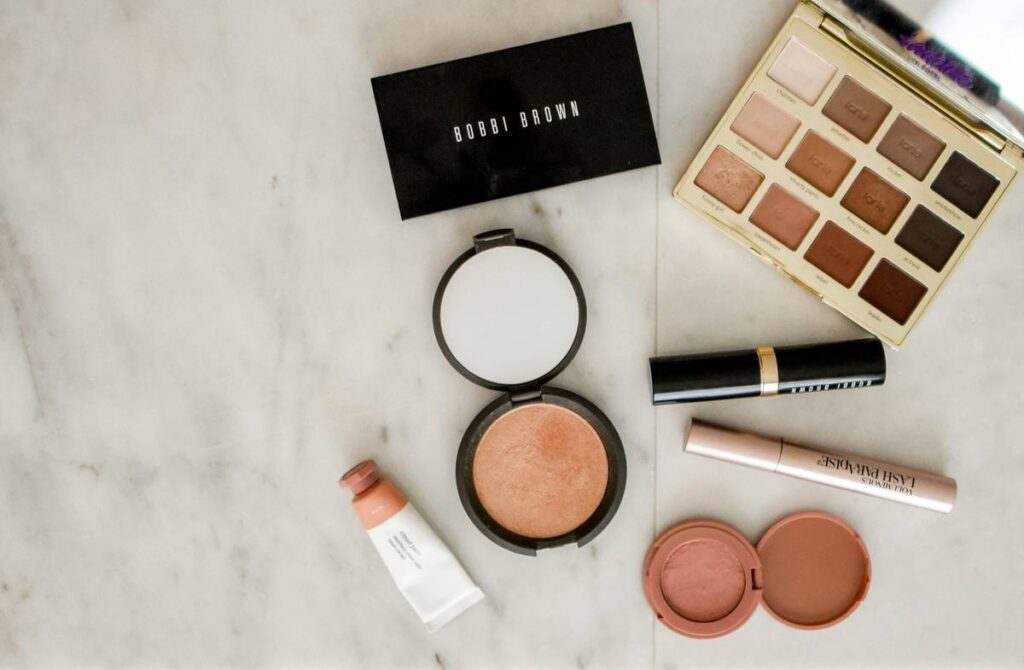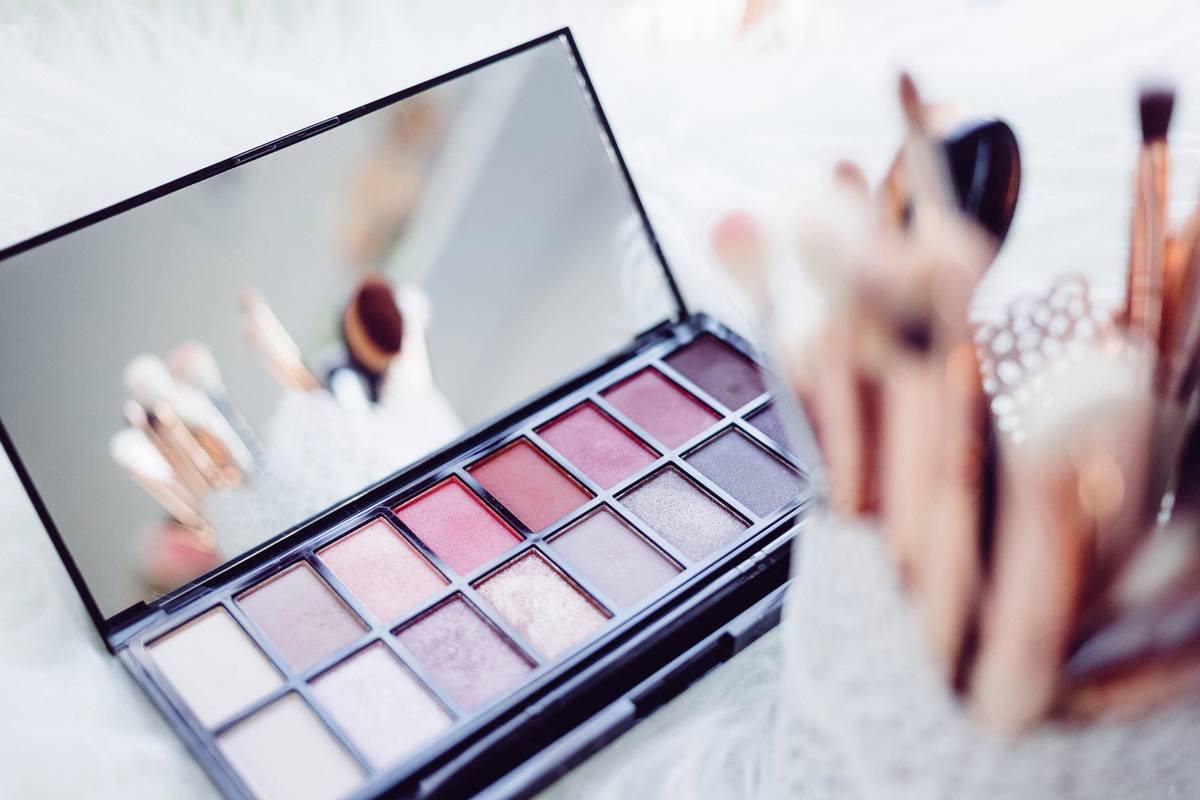
Ever stood in the makeup aisle, overwhelmed by “clean,” “green,” and “natural” labels—only to later discover your “eco-friendly” mascara shed microplastics into the ocean? You’re not alone. As someone who once swapped conventional foundation for a DIY beetroot-and-cocoa blend (spoiler: it oxidized into rust-red streaks by noon), I’ve learned that true eco-friendly beauty trends require more than good intentions—they demand informed choices.
In this guide, we’ll cut through greenwashing noise and spotlight seven actionable, sustainable strategies that actually work for natural makeup lovers. From decoding labels to building a zero-waste routine, you’ll walk away with clarity—and confidence.
Table of Contents
- Key Takeaways
- Why eco-friendly beauty trends matter
- Step-by-step guide to sustainable natural makeup
- Best practices for eco-conscious beauty
- Real-world examples of eco-friendly beauty success
- Frequently Asked Questions
- Conclusion
Key Takeaways
- True eco-friendly beauty trends prioritize biodegradable formulas, recyclable packaging, and ethical sourcing—not just marketing buzzwords.
- The average person uses 10–15 personal care products daily, exposing themselves to ~126 unique chemicals (U.S. EPA).
- Refillable compacts, waterless formulas, and multi-use sticks drastically reduce waste without sacrificing performance.
- Avoid “greenwashed” products by checking third-party certifications like COSMOS, Leaping Bunny, or EWG Verified™.
Why eco-friendly beauty trends matter
The beauty industry generates over 120 billion units of packaging annually—most ending up in landfills or oceans (UN Environment Programme). When you choose natural makeup without considering its environmental footprint, you might unintentionally contribute to microplastic pollution, deforestation (via unsustainable palm oil), or toxic runoff from synthetic dyes.
But here’s the empowering twist: every conscious purchase shifts the market. Brands notice when consumers demand transparency. And as someone deeply embedded in the Beauty & Skincare world—both as a formulator and daily user—I’ve seen how small swaps create ripple effects.

Step-by-step guide to sustainable natural makeup
1. Audit Your Current Routine
Pull out every product. Check expiration dates, ingredients, and packaging materials. Toss anything expired or containing non-biodegradable glitter (a major microplastic culprit). Keep only items in glass, metal, or certified compostable containers.
2. Prioritize Multi-Tasking Products
A tinted lip-and-cheek balm replaces three single-use items. A cream bronzer doubles as eyeshadow. Fewer products = less waste, simpler routines, and travel-friendly kits.
3. Switch to Refillable Systems
Brands like Kjaer Weis and Elate offer sleek metal compacts with compostable or recyclable refills. Yes, the upfront cost is higher—but long-term, you save money and landfill space.
4. Choose Waterless Formulas
Traditional liquid foundations are ~70% water. Waterless balms, powders, and sticks eliminate preservatives needed to prevent microbial growth in water-based products—making them gentler on skin and planet.
5. Support Ethical Ingredient Sourcing
Look for Fair Trade shea butter, regeneratively farmed botanicals, or mica sourced from conflict-free mines. These details often appear on brand websites—not labels—so do your homework. (Curious about our standards? Learn more on our About Us page.)
Best practices for eco-conscious beauty
- Never trust vague claims like “natural” or “pure.” These terms aren’t regulated. Always verify with ingredient lists.
- Clean brushes with castile soap, not synthetic cleansers. It’s biodegradable, effective, and plastic-free.
- Store products in cool, dry places. Heat degrades natural preservatives faster, shortening shelf life and increasing waste.
- Avoid “biodegradable” glitter unless it’s certified plastic-free. Most “eco-glitter” still contains PET—a persistent pollutant.
- Recycle smartly: Remove pumps (often mixed-material) before tossing bottles in recycling bins.
Terrible tip alert: “Just use food-grade oils as makeup remover!” No. Coconut or olive oil can clog pores and destabilize delicate eye-area skin. Stick to purpose-formulated, plant-based micellar waters or reusable cleansing cloths.
Real-world examples of eco-friendly beauty success
In 2023, Lush reported that their “naked” (packaging-free) cosmetics saved over 134 million plastic bottles from production since launch. Similarly, RMS Beauty’s “Beauty Rewound” program has diverted 8+ tons of packaging from landfills by offering free returns for recycling.
On a personal note: after switching to a 5-product, all-refillable natural makeup routine, my bathroom cabinet shrank by 60%. My skin improved (fewer irritants!), and I haven’t bought disposable cotton pads in 18 months—thanks to reusable muslin rounds. This isn’t perfection; it’s progress rooted in real eco-friendly beauty trends.
Frequently Asked Questions
Are eco-friendly makeup products less effective?
No—if formulated well. Modern plant-based pigments (like iron oxides) offer rich color payoff. Performance depends on formulation, not origin. Look for brands with cosmetic chemists on staff.
How can I tell if a brand is truly sustainable?
Check for third-party certifications (COSMOS, B Corp, Leaping Bunny) and transparent supply chains. If they avoid disclosing ingredient sources, be skeptical.
Is “natural makeup” the same as “eco-friendly”?
Not necessarily. A product can be natural but come in non-recyclable plastic or use unsustainable palm derivatives. True eco-friendly beauty trends encompass ethics, packaging, and lifecycle impact.
What’s the most wasteful makeup item?
Single-use wipes and sheet masks top the list. They combine plastic fibers, chemical residues, and minimal utility. Opt for washable cloths or solid cleansers instead.
Can I recycle makeup containers at home?
Rarely. Most have mixed materials (pumps, mirrors, foils). TerraCycle partners with brands like Garnier and Smashbox for specialized take-back programs. Otherwise, repurpose small pots as travel organizers!
Where can I learn more about safe ingredients?
The Environmental Working Group’s Skin Deep® database rates products by hazard level. While not perfect, it’s a useful starting point.
Conclusion
Embracing eco-friendly beauty trends isn’t about purity—it’s about mindful momentum. You don’t need to overhaul your routine overnight. Start with one swap: a refillable lipstick, a bamboo brush, or simply refusing samples wrapped in plastic.
Your choices signal what kind of beauty future you want—one where looking good never means compromising the planet’s health. And if you’re crafting your own line or seeking personalized advice on sustainable formulations, I’d love to help. Reach out via our Contact page—we’re committed to honest, earth-respecting beauty (and yes, we honor your privacy—see our Privacy Policy).
Remember:
Less plastic, more pigment.
Less waste, more radiance.
Eco-beauty isn’t a trend—it’s your legacy.